If you picture coastal living as an endless vacation, Jamestown may surprise you in the best way. Yes, the water views, rocky shorelines, and bridge crossings are part of daily life, but so are grocery runs, community concerts, beach rules, and a steady year-round rhythm. If you are wondering what it actually feels like to live here, this guide will help you see the difference between visiting Jamestown and calling it home. Let’s dive in.
Jamestown Feels Coastal and Residential
Jamestown is almost entirely on Conanicut Island, and the setting shapes nearly everything about daily life. The town is connected to Newport and North Kingstown by the Claiborne Pell Newport Bridge and the Jamestown Verrazzano Bridge, so you live with a strong sense of place while still having practical access on and off the island.
What stands out most is that Jamestown reads as a real residential community, not just a summer destination. Census data estimates roughly 5,500 residents, and 85.8% of housing units are owner-occupied, which helps explain why the town often feels grounded, local, and lived-in year round.
Official local and tourism descriptions also point to that balance. You get the scenery people expect from coastal Rhode Island, along with historic farms, parks, locally owned shops, galleries, and a quieter atmosphere that supports everyday routines.
Coastal Access Is Part of Real Life
In Jamestown, the coastline is not just something you admire from a distance. Residents use it in practical, repeat ways, from boating and fishing to shoreline walks and quick outings after work. The coast feels woven into life here, not reserved for special occasions.
That said, access is managed in ways that matter if you plan to live here full time. Beach hours, permit systems, seasonal openings, and parking rules all shape how and when people use different spots.
Beavertail Is More Than a Photo Stop
Beavertail State Park is one of the best-known landscapes in town, but for residents it can become part of a regular routine. The park includes four overlooks, rocky shoreline walking areas, fishing access, birdwatching, picnic areas, and the lighthouse museum with seasonal naturalist programming.
It also has real ecological, scenic, and historic significance. Rhode Island State Parks notes the importance of the Beavertail Lighthouse Museum and its ties to the third-oldest lighthouse in North America, which adds another layer to what might otherwise seem like just a dramatic viewpoint.
Fort Wetherill and Fort Getty Add Variety
Jamestown's shoreline experience is not one-note. Fort Wetherill offers striking granite cliffs, old coastal defense history, and a more rugged mood than some of the town’s other waterfront areas.
Fort Getty brings a different kind of utility and recreation. It includes a campground, rocky beach, public boat ramp, dock, and broad bay views, making it a place where residents can spend time on the water in a more practical, everyday way.
Boating Is Built Into the Lifestyle
If you are drawn to the boating side of coastal living, Jamestown has infrastructure that supports it. According to the Harbor Office, the town offers public boat ramps at East Ferry, Ft. Getty, and Ft. Wetherill, along with pumpout facilities and no-cost touch-and-go docks.
Smaller waterfront areas also matter. Taylor Point Park, for example, is used for picnicking, swimming, fishing, clamming, and boating in Potter’s Cove, which says a lot about how local residents interact with the shore in simple, regular ways.
Beach Living Here Is More Structured
One of the biggest realities of living in Jamestown is that beach access exists, but it comes with rules and limits. That structure can be a positive if you prefer a more local, less crowded feel, but it is worth understanding before you assume every summer day is carefree and open-ended.
Mackerel Cove Beach operates on a defined schedule from June 18 through September 1, from 9:00 a.m. to 5:00 p.m. The town also notes a $20 nonresident day parking fee, no guarantee of a parking spot, and a current waitlist for beach permits at all permit locations.
Rhode Island’s shoreline access law adds another practical point. Public lateral access to the shore extends up to 10 feet landward of the visible high-tide line, which helps define what public shoreline access means in everyday terms.
Community Life Extends Beyond the Water
A common misconception about island living is that everything revolves around the beach. In Jamestown, community life is broader than that. The town supports recurring events, arts programming, and recreation that help the area feel active even when you are not near the shoreline.
The Recreation Center offers an indoor gym, classes, and a calendar that includes a Monday farmers market through September 8, community theatre, community band concerts, community chorus concerts, and quarterly blood drives. That kind of programming gives residents regular touchpoints that feel neighborly and consistent.
The Jamestown Arts Center adds another layer to daily life. It hosts exhibitions, cultural events, and art and design education for all ages, which helps reinforce that Jamestown is not simply scenic. It is also civic, creative, and community-oriented.
Dining Is Small-Scale and Dependable
If you are comparing Jamestown to a more restaurant-heavy coastal town, it helps to reset expectations. The dining scene is village-scale rather than expansive, which is often part of the appeal for people who want ease and familiarity over constant activity.
Official destination materials describe award-winning restaurants and locally owned shops, and waterfront spots like JB’s on the Water capture that relaxed bayfront atmosphere. For most residents, though, the experience is less about endless nightlife and more about having a handful of dependable places that fit naturally into weekly life.
Seasonality Shapes the Experience
To understand Jamestown honestly, you have to understand its seasonal rhythm. Summer brings more visitors, more regulation, and more competition for access at certain places. Then the tempo shifts.
Fort Getty opens for the 2026 season on May 21, and Mackerel Cove follows its summer operating schedule, which shows how much the calendar matters here. In peak season, the town can feel busier and more managed. In the shoulder seasons and winter, it tends to settle back into a calmer, more local pace.
For many residents, that contrast is part of the draw. You get the energy of summer when you want it, but the town’s identity is not dependent on staying in vacation mode all year.
Homes Reflect Jamestown’s Coastal Character
Jamestown’s housing stock helps explain why the town feels distinct from some other shoreline areas. With an owner-occupied rate of 85.8% and a median owner-occupied value of $842,400, the market is shaped by people who live here as residents, not only as short-term seasonal users.
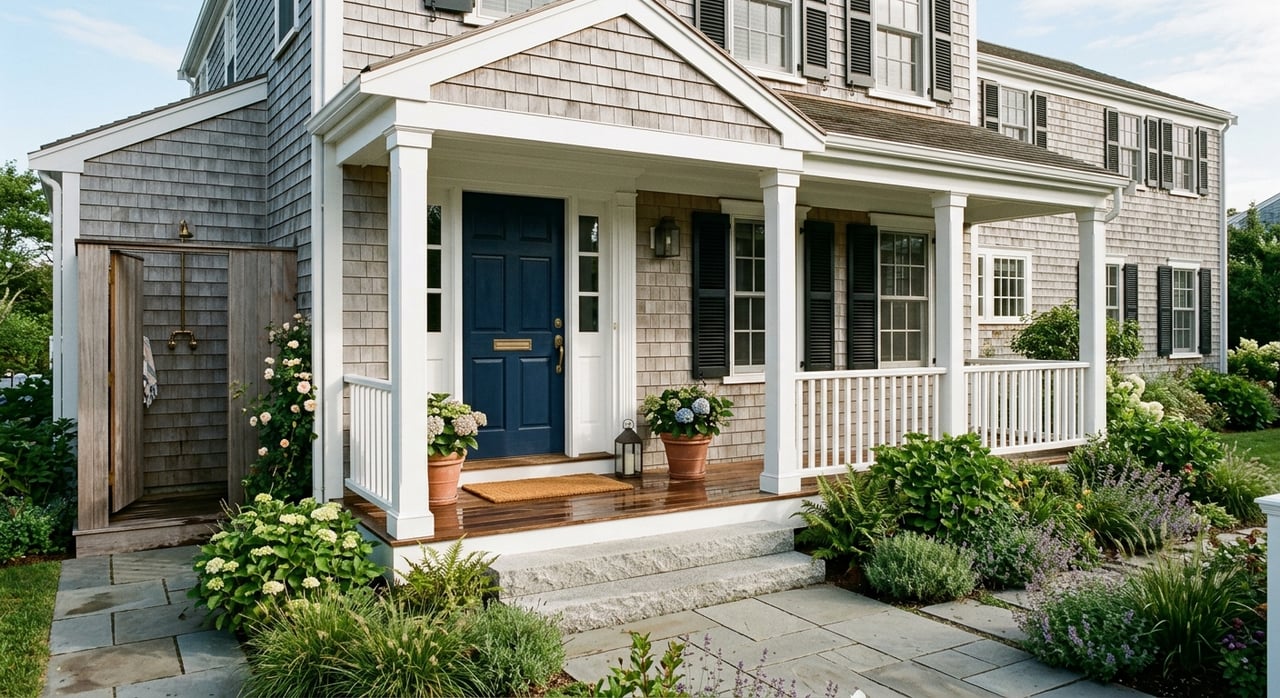
The historic housing mix also matters. Rhode Island’s historic survey documents late-19th-century shingled summer cottages, early-20th-century bungalows, and older farmhouses, creating a layered residential character that connects the coast with New England architectural history.
In practical terms, that means you may find a range of housing types, from village homes and cottages to waterfront properties and older year-round residences. If you care about character, setting, and how a home fits into the larger story of a place, Jamestown offers a thoughtful mix.
How Jamestown Compares Nearby
Buyers often look at Jamestown alongside other Rhode Island shoreline communities. The differences are meaningful, especially if you are deciding what kind of coastal life actually suits you.
Jamestown Compared With Newport
Jamestown is often the quieter side of the bay. Newport’s official materials emphasize waterfront access, ferries, water taxis, restaurants, events, Harbor Walk, Cliff Walk, Ocean Drive, and a stronger downtown harbor atmosphere.
Jamestown feels more residential and less commercial by comparison. If Newport offers more bustle and destination energy, Jamestown tends to offer a more settled and understated version of coastal living.
Jamestown Compared With Narragansett
Narragansett is more closely associated with larger public beach facilities. Official town information highlights places like Scarborough State Beach, with 26 acres and roughly 2,325 feet of frontage, along with extensive beach policies and amenities at Narragansett Town Beach.
Jamestown has real beach access, but on a smaller and more permit-managed scale. That creates a daily rhythm that often feels more local and less like a classic mass beach destination.
Who Jamestown Tends to Fit Best
Jamestown often appeals to people who want to live around the coast, not just next to it. You may be a strong fit if you value boating access, historic character, quieter village-scale amenities, and a community where scenic beauty is part of ordinary life.
It can also be a good match if you appreciate homes with architectural variety and want a place where setting and lifestyle carry equal weight. For buyers especially, it helps to think beyond postcard views and ask how you want your day-to-day life to feel in every season.
If you are exploring Jamestown as a home base, it pays to look closely at access, housing style, seasonal patterns, and the practical rhythm of the town. That is often where the clearest sense of fit comes into focus.
If you are thinking about buying or selling in Jamestown or another Rhode Island coastal market, Lisa Ardente offers thoughtful guidance grounded in local knowledge, historic-home insight, and a clear understanding of how lifestyle and property value connect.
FAQs
What is daily life in Jamestown, RI really like?
- Daily life in Jamestown feels coastal but grounded, with water access, local errands, community events, arts programming, and a calmer year-round residential rhythm than many visitor-focused shoreline towns.
How does beach access work in Jamestown, RI?
- Beach access in Jamestown is real but managed, with defined operating dates and hours at Mackerel Cove, parking limits, permit waitlists, and state shoreline access rules that outline public access along the shore.
Is Jamestown, RI more residential than Newport?
- Yes, official descriptions and housing patterns suggest Jamestown is more residential and less commercial than Newport, which is known for a busier harbor, more events, and a stronger destination feel.
What kinds of homes are common in Jamestown, RI?
- Jamestown includes a mix of village homes, waterfront properties, older year-round residences, late-19th-century shingled cottages, early-20th-century bungalows, and farmhouses.
Is Jamestown, RI a good fit for year-round living?
- Jamestown can be a strong fit for year-round living if you want a coastal setting with a local community feel, owner-occupied housing patterns, and amenities that extend beyond the summer season.
