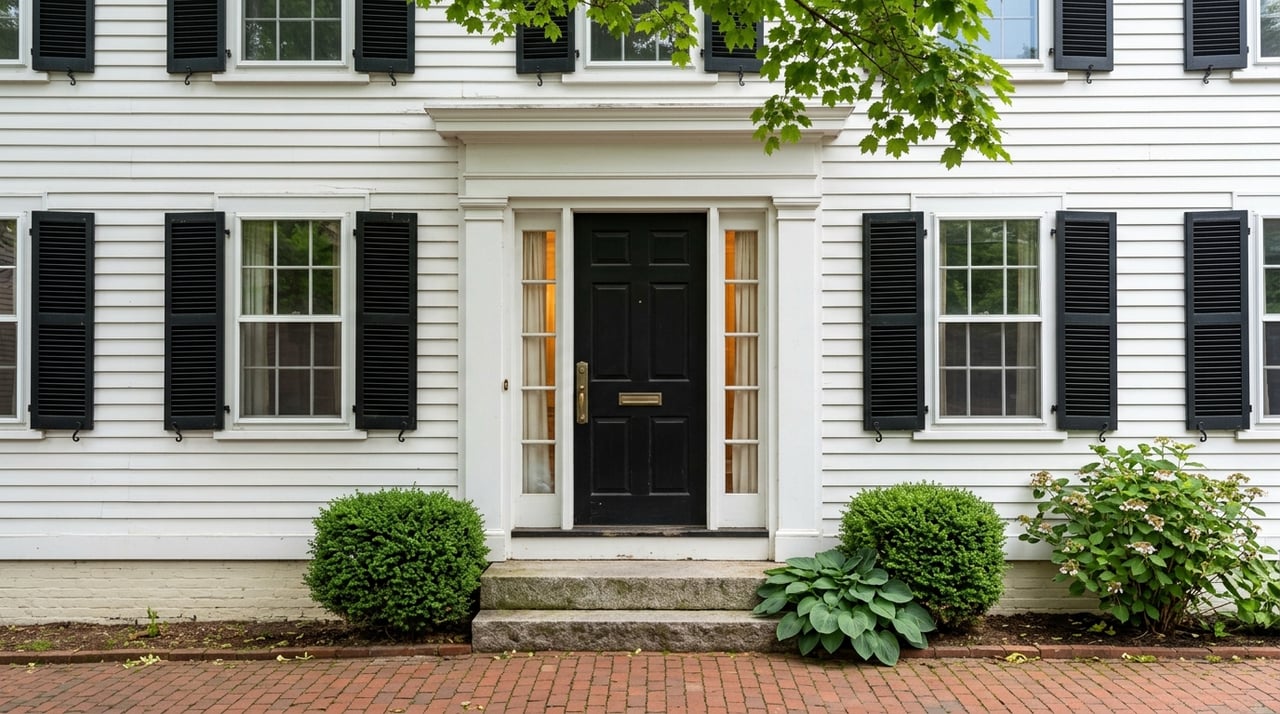
If you love the charm of older homes, Providence can feel like a dream. Original windows, graceful facades, detailed trim, and well-worn wood floors tell a story you simply do not get in newer construction. But living in a historic home here also means understanding how age, weather, maintenance, and local review can shape your day-to-day experience. Let’s dive in.
Providence Historic Homes at a Glance
Providence has an unusually old housing stock by modern standards. According to the City of Providence’s 2020-2024 Consolidated Plan, 61% of owner-occupied homes and 57% of renter-occupied homes were built before 1950.
That matters because older homes often come with both character and responsibility. The same city plan notes that homes in the Northeast face added wear from ice, heavy snow, and frigid temperatures, which can make regular upkeep especially important in Providence.
East Side Architecture You See Every Day
Providence’s East Side includes some of the city’s most recognized historic housing areas. College Hill is a National Historic Landmark district, and local style guidance identifies a wide range of architecture there, including Federal, Greek Revival, Italianate, Second Empire, Queen Anne, and Colonial Revival.
Other East Side districts add even more variety. The Wayland Historic District is known for a strong presence of Colonial Revival homes, along with Dutch Colonial Revival and Tudor Revival examples. The Blackstone Boulevard-Cole Avenue-Grotto Avenue Historic District includes about 100 acres and 253 primary buildings, with a mostly early-20th-century residential pattern of single-family houses.
For you as a buyer or homeowner, these styles are not just labels. They often shape the windows, rooflines, porches, entries, and overall maintenance needs of the home you live in.
How Historic Style Affects Daily Life
In Providence, historic-home living is often about working with original design rather than trying to erase it. A Colonial Revival home, for example, may have a symmetrical front facade, a simple entry porch, and paired double-hung sash windows. Those details influence both curb appeal and the kinds of repairs or updates that make sense over time.
Window patterns are one of the easiest ways to see this in daily life. Local guidance links common house types to typical window layouts, such as 12/12 Colonial or Federal windows, 6/6 Greek Revival windows, 6/1 Colonial Revival windows, arched 2/2 Second Empire windows, and multi-light Queen Anne windows.
That means living in a historic home often involves decisions that balance comfort, efficiency, and visual consistency. The original elements are part of what gives the home its identity.
Original Windows Often Stay
One of the biggest surprises for buyers is that older windows are not always something you have to replace. Providence Historic District Commission guidance says original wood windows should be retained whenever possible.
The same guidance notes that repaired, caulked, and weatherstripped wood windows with well-fitted storm windows can be as energy efficient as new thermal windows. In a city where heating costs matter, storm windows are a common and practical part of historic-home living.
So if you are touring a Providence historic home, older windows do not automatically mean a problem. In many cases, they mean you may be looking at a feature worth preserving and maintaining well.
Routine Maintenance Matters More
Older homes reward steady attention. Providence’s housing plan states that once a home reaches about 30 to 40 years old, it typically begins to need significant repairs or major rehabilitation. Since so much of Providence’s housing stock is far older than that, regular stewardship becomes part of everyday ownership.
Small issues can grow quickly if left alone. Seasonal weather in Rhode Island adds pressure to roofs, painted surfaces, trim, and exterior materials, so a historic house often does best when you stay ahead of maintenance rather than waiting for a major failure.
This is one reason historic-home buyers often benefit from looking beyond surface charm. The beauty is real, but so is the value of a thoughtful upkeep plan.
Paint, Wood, and Exterior Care
Exterior paint and surface care are a regular part of owning many older Providence homes. According to PHDC guidance, painted surfaces require periodic maintenance, but fully stripping a historic structure is often unnecessary.
In many cases, removing failing paint, priming, and repainting is enough. The same guidance warns that aggressive paint removal can damage wood and masonry and can also contribute to lead contamination.
For homeowners, that is an important mindset shift. Good stewardship is often less about doing the most dramatic work and more about doing the right work carefully.
HVAC and Modern Updates Need Planning
Historic homes can absolutely support modern comfort, but updates may need to be handled thoughtfully. PHDC guidance says HVAC equipment should be placed inside the building whenever possible.
If exterior placement is necessary, side or rear yards and flat roofs out of street view are preferred. Pitched roofs are generally not considered appropriate locations.
In practical terms, this means renovation planning may involve more coordination than it would in a newer house. The goal is usually to improve daily living while respecting the building’s visible character.
What Historic District Rules Mean
If a home is in a designated local historic district in Providence, exterior alterations and new construction must be reviewed and approved by the historic district commission. Exterior work cannot move forward without a Certificate of Appropriateness.
That sounds formal, but the key point is simple. The focus is on the exterior and what is visible from the public realm, not on interior changes or paint colors.
For many homeowners, this means the process is not about preventing updates. It is about making sure visible changes fit the building and its surroundings.
Providence’s Review Process Is Structured
Providence’s system is best understood as renovation with oversight, not renovation without options. PHDC application materials say applications are generally due 14 days before the next commission meeting.
Minor repairs are often handled administratively, while major alterations, new construction, and demolition receive public-hearing review. Local historic districts listed in city materials include Armory, Broadway, College Hill, North Elmwood, PLD-Residential, PLD-Industrial & Commercial Buildings, Power-Cooke, South Elmwood, and Stimson Avenue.
If you are buying with renovation plans in mind, this is one of the most important details to understand early. Scope, timing, and visibility all matter.
Lead-Safe Work Is Part of Ownership
Because Providence has so many older homes, lead-safe maintenance is an important part of the conversation. The city’s housing data shows that 86% of owner-occupied units and 82% of renter-occupied units were built before 1980.
RIHPHC also states that rental properties built before 1978 must have a Certificate of Lead Conformance and be registered annually, and that historic properties are not exempt. The agency further explains that Rhode Island is lead-safe rather than lead-free, and that passing a lead inspection does not require removing historic materials like windows, doors, floors, or siding.
For buyers, sellers, and landlords, this is a useful reminder that preservation and safety are not opposites. In many cases, careful maintenance is the bridge between the two.
Parking and Other Everyday Details
Daily life in Providence’s historic neighborhoods can include practical urban considerations too. In designated residential areas, the city operates an overnight parking permit program, with annual resident permits available for vehicles registered in Providence or elsewhere.
That may not be the first thing you think about when admiring a beautiful facade, but it can affect how a home feels to live in every day. Historic-home living is often a blend of architecture, logistics, and lifestyle.
Renovation Incentives and Tax Basics
Some buyers ask whether there is financial help available for major rehabilitation. Rhode Island’s historic tax credit program can support larger rehab projects, but it is primarily geared toward income-producing properties.
According to RIHPHC, eligible work may include roofs, exterior walls, windows, foundations, structural work, heating, plumbing, electrical systems, and certain interior improvements that are capitalized to the building. Additions, site work, landscaping, fixtures, and furnishings are not eligible, and private one- and two-family residences do not qualify.
It is also helpful to know what historic status does not do. RIHPHC notes that property taxes are based on fair market value, not on the fact that a property is located in a historic district.
What Buyers and Sellers Should Keep in Mind
If you are buying a historic home in Providence, it helps to look at more than charm alone. Pay attention to exterior condition, window maintenance, likely repair cycles, parking logistics, and whether the property is in a local historic district.
If you are selling, it helps to understand that original features may be real assets. Buyers who are drawn to Providence’s older homes are often looking for character, proportion, craftsmanship, and a home that has been cared for with intention.
Historic homes are rarely one-size-fits-all. The right guidance can help you weigh beauty, function, cost, and future plans with a clearer eye.
If you are considering buying or selling a historic home on Providence’s East Side or elsewhere in Greater Providence, working with someone who understands architecture, renovation judgment, and local process can make the experience much smoother. Lisa Ardente brings a Providence-rooted, preservation-aware perspective to help you evaluate character, condition, and next steps with confidence.
FAQs
What makes Providence historic homes different from newer homes?
- Providence has a very old housing stock, with 61% of owner-occupied units and 57% of renter-occupied units built before 1950, so many homes come with original architectural details and greater maintenance needs.
What historic home styles are common on Providence’s East Side?
- Common styles in East Side historic areas include Federal, Greek Revival, Italianate, Second Empire, Queen Anne, Colonial Revival, Dutch Colonial Revival, and Tudor Revival.
Do Providence historic homes always need window replacement?
- No. Local guidance says original wood windows should be retained where possible, and repaired, weatherstripped windows with well-fitted storm windows can be as energy efficient as new thermal windows.
What exterior work on a Providence historic home needs approval?
- In a designated local historic district, exterior alterations and new construction require review and approval by the historic district commission through a Certificate of Appropriateness.
Are interior renovations in Providence historic districts reviewed too?
- No. State guidance says local historic district review focuses on exterior work and what is visible from the public realm, not interior changes or paint colors.
Do Providence historic district homes have a separate property tax?
- No. RIHPHC states that property taxes are based on fair market value, not on whether a property is in a historic district.
Can owners of Providence historic homes get Rhode Island tax credits?
- Rhode Island’s historic tax credit program is mainly for income-producing properties, and private one- and two-family residences do not qualify.
What should landlords know about lead rules in older Providence rentals?
- RIHPHC states that rental properties built before 1978 must have a Certificate of Lead Conformance and be registered annually, and historic properties are not exempt.
