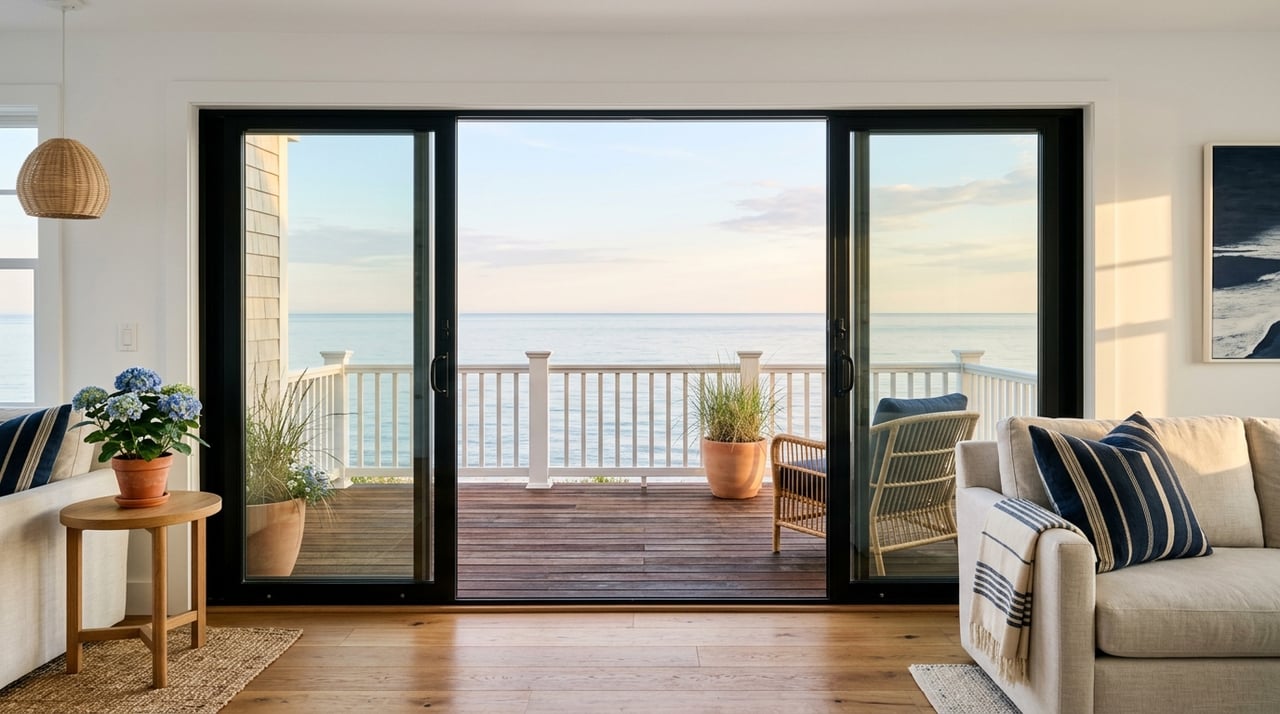
If you are preparing to sell a Jamestown waterfront home, you already know buyers are not just purchasing square footage. They are responding to a setting, a view, and a lifestyle that starts long before they step through the door. The challenge is making sure your home feels as compelling online as it does in person, while also being ready for the practical questions that come with coastal property. In this guide, you will learn how to prepare your home for today’s buyers with a smart mix of presentation, paperwork, and local coastal due diligence. Let’s dive in.
Start With the Online First Impression
For many buyers, your home will be judged on a screen before it is ever seen in person. In the National Association of Realtors 2024 survey, 43% of buyers began by searching online, 41% said photos were very useful, 39% valued detailed property information, and 31% appreciated floor plans.
That matters even more for a waterfront property in Jamestown. Buyers often want to understand the layout, how the house connects to the water, and whether outdoor spaces feel usable and inviting. Strong visuals and clear property details help your listing answer those questions right away.
Because buyers spent a median of 10 weeks searching and typically viewed seven homes, including two they only saw online, your digital presentation needs to work hard. If your home looks polished, well-documented, and easy to understand, you are more likely to hold a buyer’s attention.
Make the View the Focal Point
In a waterfront home, the view is not a background feature. It is one of the main reasons a buyer is looking at the property in the first place. That means every room should support the view rather than compete with it.
Window treatments should feel simple and unobtrusive. Furniture placement should preserve sightlines and make it easy to see the water as you move through the home. If a chair, console, or oversized accessory blocks the eye from naturally moving outward, it is probably working against you.
This also applies outside. Decks, patios, and lawn areas should feel intentional, open, and ready to enjoy. Buyers should be able to imagine morning coffee, outdoor dining, or a quiet evening by the water without having to look past stored equipment, crowded furniture, or deferred maintenance.
Stage for Calm, Space, and Light
Staging continues to play an important role in how buyers respond to a home. According to NAR’s 2025 Profile of Home Staging, 83% of buyers’ agents said staging made it easier for buyers to picture the property as their future home. The same report found that 49% said staging reduced time on market, and 29% said it increased the dollar value offered by 1% to 10%.
NAR defines staging as cleaning, decluttering, repairing, depersonalizing, and updating the home. For sellers, that does not always mean a full redesign. It usually means editing the home so its best features become more obvious.
The most important rooms to stage were the living room, primary bedroom, and kitchen. For a Jamestown waterfront property, those rooms often carry extra weight because they tend to frame the home’s natural light, views, and daily livability.
A few staging priorities can make a big difference:
- Declutter surfaces and storage areas
- Deep clean the entire home
- Repair small visible issues before photography
- Simplify decor so architectural details and views stand out
- Refresh outdoor seating and gathering spaces
- Remove personal items that distract from the setting
The goal is not to make the home look artificial. It is to make it feel calm, cared for, and easy to imagine living in.
Prepare the Home for the Camera
Today’s buyers do not separate online presentation from the in-person experience. Photos, video, virtual tours, and floor plans often shape whether they decide to visit at all. That means your home should be prepared for marketing materials with the same care you would give to a showing.
This is especially important because buyers’ expectations can be high. NAR reported that 48% of respondents said buyers expected homes to look like TV-staged homes, while 58% said buyers felt disappointed when a home did not match that image.
The best strategy is polished but believable presentation. Natural light, clean lines, and thoughtful styling tend to work better than overdone staging. Buyers should feel pleasantly impressed online, then reassured when the home feels just as strong in person.
Get Coastal Paperwork in Order
A beautiful waterfront listing also needs a complete story behind it. Coastal buyers often ask detailed questions early, especially about changes to the exterior, flood exposure, shoreline features, and water-related structures.
In Rhode Island, the Coastal Resources Management Council has jurisdiction within 200 feet of any coastal feature. The agency states that permits are required for construction or alteration activity in that zone, and coastal features can trigger setbacks and buffers.
For you as a seller, that means it is wise to gather records for any exterior work completed near the shore. Buyers may want documentation for items such as:
- Decks and railings
- Shoreline steps
- Hardscape and drainage work
- Docks
- Shoreline protection structures
Having permit history, approvals, and maintenance records ready can reduce uncertainty during the listing period. It can also make it easier to answer buyer questions promptly and confidently.
Confirm Flood-Zone Information Early
Flood-zone status is one of the first practical questions many waterfront buyers will raise. It can affect insurance expectations, lender requirements, and a buyer’s comfort level with the property.
CRMC notes that FEMA flood maps and Flood Insurance Rate Maps can affect insurance and lending expectations. Before your home hits the market, it helps to verify the property’s flood-zone status and gather any related insurance information you already have.
This does not mean you need to overwhelm buyers with paperwork upfront. It simply means you should be prepared with accurate information before questions arise. In a coastal sale, readiness builds trust.
Review Septic or Cesspool Records
If your Jamestown waterfront home has a septic system or cesspool, this is an area where preparation matters. Rhode Island DEM states that cesspools within 200 feet of the inland edge of shoreline features bordering tidal water areas must be replaced immediately.
DEM also states that any cesspool serving a property subject to sale or transfer with a closing date on or after January 1, 2016 must be removed from service within one year of closing. For septic systems, DEM advises routine pumping every two to five years, depending on system size and use.
From a seller’s perspective, it is helpful to gather service records, pumping history, inspection materials, and any replacement or upgrade documentation. Buyers are likely to ask, and having an organized file can make the process feel more transparent.
Check Jamestown Permits and Local Records
Local records matter in every sale, but they carry extra importance for a waterfront property. Jamestown’s Building and Zoning Department implements Rhode Island building codes and zoning ordinances and conducts mandatory inspections. The Town Clerk also notes that land evidence records are important to financing, purchasing, selling, and title work.
If your property includes water-related features or rights, those details should be reviewed carefully. If there is a mooring, outhaul, beach permit, or pier permit involved, the Harbor Office manages waitlists and registration, and the Harbor Commission serves as the town’s primary regulatory and management group for waters.
Before listing, it is worth confirming exactly what exists, what is transferable, and how it is documented. Clear answers help buyers assess the property accurately and avoid confusion later in the transaction.
Be Precise About Shoreline Access
Waterfront marketing should always be attractive, but it also needs to be accurate. Rhode Island’s shoreline access law, signed on June 26, 2023, clarified the public’s right to lateral access up to 10 feet landward of the visible high tide line.
That means sellers should be careful about how they describe privacy, shoreline use, and access. If your marketing suggests private or exclusive shoreline features, those claims should be checked closely against current law and the actual property record.
This is one of those areas where thoughtful preparation protects both your sale and your credibility. Buyers appreciate a seller who is clear, informed, and careful with details.
Build a Strong Pre-List File
One of the best ways to prepare a Jamestown waterfront home is to organize information before the first showing. In higher-value and coastal transactions, buyers often move from emotional interest to practical questions very quickly.
A strong pre-list file may include:
- Permit records
- Survey materials
- Flood-zone information
- Insurance declarations
- Septic or cesspool documentation
- Dock, pier, or mooring paperwork
- Shoreline protection approvals
- Maintenance records for major exterior features
This kind of preparation does more than answer questions. It signals that the property has been responsibly maintained and thoughtfully represented.
Pair Presentation With Strategy
Preparing a waterfront home is partly about beauty and partly about confidence. You want the home to photograph well, show well, and feel easy for buyers to understand. You also want the supporting details to be organized enough that serious interest does not stall over missing information.
That balance is where thoughtful seller guidance matters. For a distinctive home, especially one shaped by coastal conditions, timing, preparation, and presentation all work together.
If you are thinking about selling a Jamestown waterfront property, a strategic plan can help you decide what to improve, what to document, and what today’s buyers are most likely to notice first. For tailored guidance on positioning your home for the market, connect with Lisa Ardente.
FAQs
What do buyers notice first in a Jamestown waterfront home listing?
- Buyers often notice photos, detailed property information, floor plans, and how clearly the home’s view and layout come across online.
Why does staging matter for a Jamestown waterfront sale?
- Staging can help buyers picture themselves in the home, support stronger presentation in photos and tours, and may reduce time on market.
What records should you gather before listing a Jamestown waterfront home?
- It is helpful to gather permits, surveys, flood-zone information, insurance declarations, septic or cesspool records, and any dock, mooring, or shoreline-related paperwork.
Why should you verify flood-zone status before selling a Jamestown waterfront property?
- Flood-zone status can affect buyer questions, insurance expectations, and lender requirements, so it is best to confirm it before the home goes on the market.
What should sellers know about septic or cesspool rules for Jamestown waterfront homes?
- Rhode Island DEM has specific rules for cesspools near shoreline features and guidance on septic maintenance, so complete records are important during a sale.
How should you describe shoreline access for a Jamestown waterfront property?
- You should describe shoreline access carefully and accurately, since Rhode Island law clarifies public lateral shoreline access rights near the visible high tide line.
